



What Should You Do After a Boating Accident in Florida?
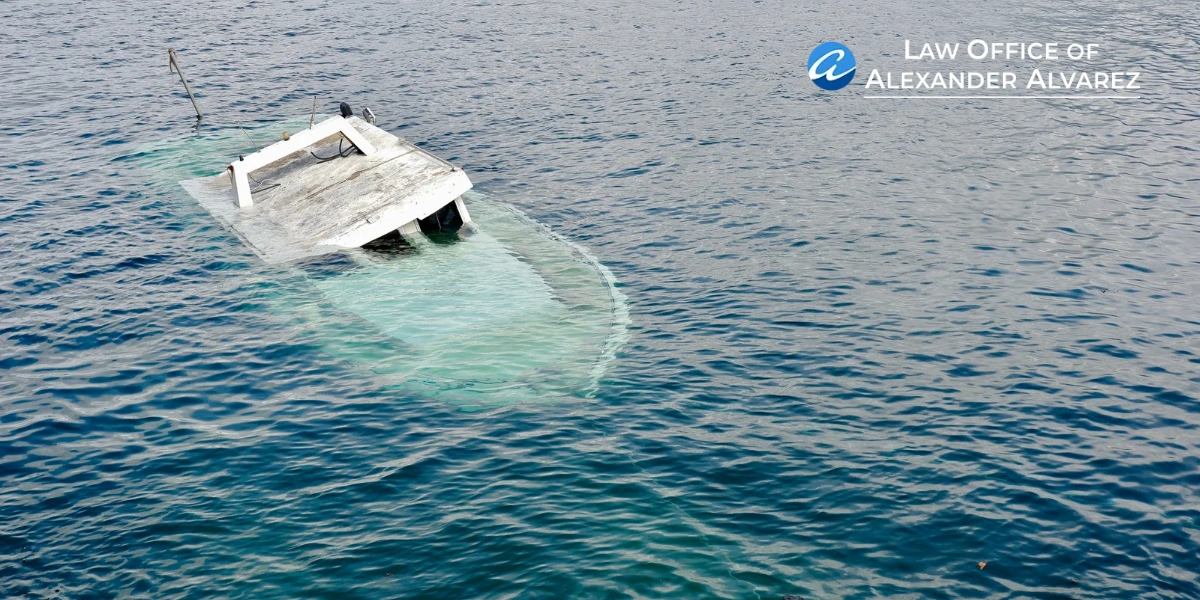
A boating accident in Florida can leave you dealing with injuries, a damaged vessel, and a dozen unanswered questions all at once. Florida’s waterways carry their own set of rules. What you do in the first hours and days after a crash can shape whether you recover the cost of your medical care and repairs.
Florida treats boating incidents differently than car crashes, with separate reporting deadlines, fault rules, and insurance questions. Knowing the right order of steps now can save you from a mistake that hurts your claim later.
The Law Office of Alexander Alvarez, P.A. represents personal injury clients in negligence cases across Florida, and our team can go over what happened to you during a free consultation.
Key Takeaways
- Check everyone on board and in the water for injuries before anything else.
- Florida law requires you to notify authorities right away and may require a written report afterward.
- Leaving the scene without helping or reporting the accident can lead to criminal charges.
- Depending on where the accident happened, federal maritime law or Florida law sets the filing deadline and fault rules.
- Photos, witness names, and notes about the conditions fade fast, so it helps to gather them quickly.
Check on Everyone and Call for Emergency Help
Your first job after a collision, a capsizing, or a fall overboard is safety, not paperwork. Check every passenger and anyone in the water for injuries before you worry about the other boat or your own vessel. Under Florida law, a vessel operator involved in an accident has a duty to help others affected by it.
That duty applies as far as the operator can act without serious danger to their own vessel, crew, and passengers. It also requires exchanging name, address, and vessel information with anyone hurt or anyone whose property was damaged. Call 911 or hail the Coast Guard on marine radio channel 16 if anyone needs medical help.
Getting people to safety always comes before anything else.
Report the Accident to Florida Authorities
Once everyone is safe, Florida law requires you to notify the right agency without delay. You can contact the Florida Fish and Wildlife Conservation Commission, the county sheriff, or the local police chief, depending on where the accident happened.
A written report becomes necessary depending on how serious the accident was. Florida requires a report when the accident results in:
- Bodily injury requiring medical treatment beyond first aid
- A wrongful death or the disappearance of a person under circumstances suggesting injury or death
- Property damage of at least $2,000 or a total loss of a vessel
Accidents involving death, injury, or disappearance generally must be reported in writing within 48 hours. Property-damage-only accidents typically allow more time, generally within 10 days, to file the written report. Failing to file the required written boating accident report is a noncriminal infraction under Florida law.
You can find the official reporting process and forms through the Florida Fish and Wildlife Conservation Commission.
Document What Happened While It’s Still Fresh
Memories fade and evidence disappears fast on the water. Take photos of both vessels, any visible injuries, and the water and weather conditions at the time of the crash. Write down what you remember about how the accident happened while it’s still clear in your mind.
Note the time, your location, and anything the other operator said at the scene. Get the names and contact information of anyone who saw what happened, including other boaters nearby. The collision may have happened on Biscayne Bay or along one of Miami-Dade’s inland waterways.
Either way, witness accounts often become the deciding factor when two operators tell different stories about who was at fault.
Know the Signs of an Impaired Operator
Alcohol and drugs play a role in a significant share of Florida boating accidents. Florida law makes it illegal to operate a boat or water vessel with a blood alcohol content of 0.08% or higher. If the operator’s blood alcohol level was 0.15% or higher, or if someone under 18 was on board, the penalties increase substantially.
A boating under the influence violation that causes serious bodily injury is a third-degree felony. One that causes a death can bring a second-degree felony charge with a mandatory minimum prison term. If you suspect the other operator was impaired, mention it when you report the accident.
It can matter a great deal to how fault gets assigned later.
Understand Fault, Deadlines, and Your Claim
Florida law no longer lets an injured person recover damages no matter how much they contributed to the crash. Under the current rule, Florida uses modified comparative negligence with a 51% bar, so a party found more than 50% at fault for their own harm cannot recover any damages.
At 50% fault or less, your damages are simply reduced by your share of the blame. Florida’s shortened statute of limitations applies to negligence-based claims that accrued on or after March 24, 2023, generally giving you two years from the date of injury to file suit. Accidents on navigable waters like Biscayne Bay often fall under federal maritime law instead, which allows three years to sue and reduces, rather than bars, recovery based on fault.
Waiting too long to act, even while you’re still recovering, can cost you the right to sue at all.
A Florida boating accident attorney can help you sort through fault questions before evidence disappears or a deadline slips by. This is often where cases are won or lost, long before anyone sets foot in a courtroom.
Rented Boats and Charter Trips Add a Layer
Many articles on this topic assume you own the boat you were on. But a lot of Florida accidents happen on rental vessels, charter fishing trips, or jet skis from a tour operator. When that’s the case, responsibility can extend beyond the person steering to the company that rented or chartered the vessel.
A liability waiver signed before departure doesn’t automatically protect them. If your accident happened on a boat you didn’t own, it’s worth having that relationship looked at closely.
Frequently Asked Questions
Does Florida require boat owners to carry insurance?
Florida does not require private recreational boat owners to carry liability insurance the way it requires auto insurance for drivers. That gap can leave you dealing directly with an uninsured or underinsured boater after a crash. A consultation can help you figure out what coverage, if any, applies to your situation.
What if the boat that hit me left the scene without stopping?
An operator who leaves without helping or exchanging information is breaking the law, and that conduct can also work against them if your claim goes to court. Report what you saw, including any description of the vessel, to the agency handling your case. Requesting a consultation can help you understand what options remain even without the other operator’s information.
Can a passenger injured on someone else’s boat file a claim?
Yes. A passenger generally isn’t the one steering, so fault questions in these cases usually center on the operator’s decisions rather than anything the passenger did. If you were hurt as a passenger, a consultation can help clarify who may be responsible.
Law Office of Alexander Alvarez, P.A.: Your Florida Personal Injury Law Firm
Sorting out what to do after a crash on the water is not something most people have had to think about before. Between the FWC report, the other operator’s insurance, and a filing deadline that depends on where the crash happened, it is easy to miss a step that affects your recovery later.
Handling a claim like this generally means pulling together the accident report, photos, witness statements, and medical records into one clear picture of what happened and who was responsible. Alexander Alvarez has practiced law in Florida since 1992, and we know how these cases get built.
If you were hurt in a boating accident, talking it through costs you nothing. Contact our firm today to set up a free consultation.
Miami Boating Accident Resources:
Our Greatest Achievements Are The Lives We Positively Impact.
Contact our firm in Miami online or by telephone at 866-270-0589 and arrange a free initial consultation. Personal injury cases are handled on a contingency fee basis, so there is no financial obligation to simply speaking with our firm and learning about your options.
Contact Us Today
Fields Marked With An “*” Are Required


© 2026 Law Office of Alexander Alvarez, PA • All Rights Reserved.
Digital Marketing By 
*Images are obtained under license from Canva and other third-party stock image providers, with attribution included where required.
 ES